As I shared a few weeks ago, we are so blessed to live when and where we do. Not only do we enjoy abundant and relatively inexpensive food and many modern conveniences, but we also have free access to many archaeological discoveries that confirm the Bible.
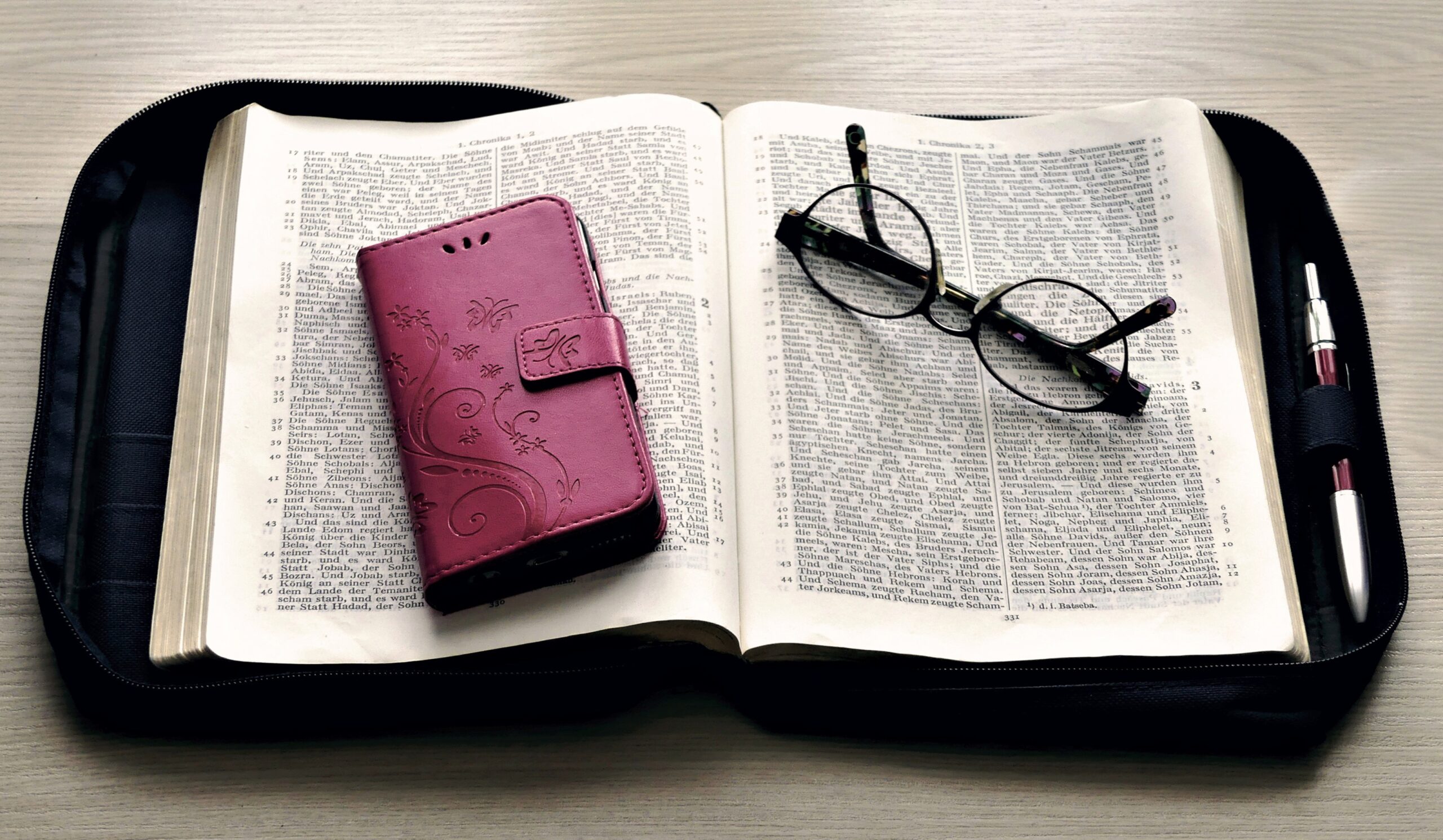
Another special blessing is to have God’s Holy Word in a language we can read and understand. In fact, although there a few exceptions, most people on earth today can now enjoy the Bible in their own tongue. We are indebted to the many translators over the centuries who have worked to make this a reality. Some, such as William Tyndale, were even martyred for doing so.
We are fortunate to have roughly 900 Bible translations and paraphrases in English alone. Which one is best? Most Christians have their own preference and most translations are generally true to the original Greek and Hebrew texts. Paraphrases like The Message and The Living Bible are very easy to read but are not direct translations of the original languages. They may be acceptable for devotional reading but are less well suited for serious study.
Not because the Bible changes, but because our language does, updates are often necessary to capture the meaning and nuances of the original texts. We are all aware how the meanings of words such as “hot,” “cool,” and “goat” have changed over the years, while new words such as “unfriend” and “chatbot” have been added. God’s Word never changes, but our words do.
In the 1800s and early 1900s, many theologians believed the Bible was no longer accurate and had been corrupted over thousands of years of copying and translating. Then, when the Dead Sea Scrolls were discovered in the 1940s, it was found that our Bibles are, in fact, incredibly true to these 2200-year-old manuscripts. God had not only miraculously inspired the writing of His Word, but He had also miraculously preserved it as well.
I was involved in a discussion on Bible translations years ago when one party somewhat arrogantly asserted, “There is only one translation of the Bible!” referring to his preferred version. Knowing which English translation he meant, another man immediately responded, “You are right, but most of us can’t read Greek and Hebrew.” Not surprisingly, the topic abruptly changed as the conversation took a different turn. It’s been said that the best Bible translation is whichever one you’ll read.
In his book, The Bread Basket, Paul Brubaker shares about a similar conversation in which four pastors were each promoting their own favorite Scripture versions. The first preferred the King James for its poetic and classical English. The second liked the New American Standard for its literal adherence to the original languages, while the third asserted his choice of The Message due to its easy readability. When they finally asked the fourth minister about his favorite, he replied that he liked his mother’s translation best. Since they weren’t aware of her work on Biblical texts, they asked where they might find a copy. He responded that it wasn’t a written version but that she translated the Bible into her daily life and that it was the most convincing translation he ever saw.
What a powerful reminder of our need to live out the Gospel for those around us who may never read the printed text! As has often been stated, Christians are the only Bible some people ever read. Our manner of living as well as our words ought to reflect those of Jesus Christ and demonstrate Biblical teachings every single day.
We are indeed blessed to have the variety of Bible translations available in print form as well as on free Bible apps for our phones and computers. But the most important thing is to actually read what God has to say in whatever version we prefer and then to live it out in a way that others can come to know God through us. Blessings, George