Anyone who has ever driven an automobile knows the importance of staying in one’s own lane. Countless accidents occur when vehicles leave their assigned lane and veer off into a ditch, drift over into oncoming traffic, or coast into the side of a fellow traveler on an interstate.
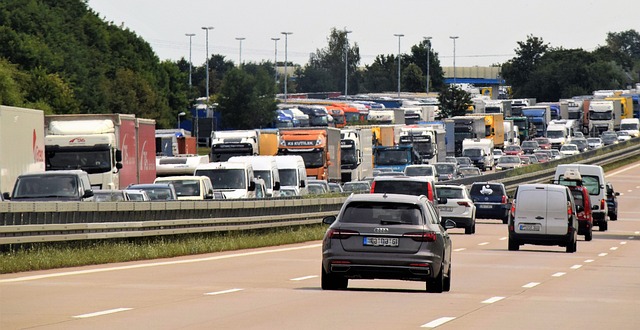
When we pause to realize that most American roads don’t have any physical barriers to keep us where we belong and only stipes of yellow or white paint, it’s really amazing there aren’t far more accidents than there are. Only a foot or so separates vehicles speeding side by side or toward each other with the good faith that all drivers will respect these corridors and exercise good judgment. Mix in a little drowsiness, some alcohol, or a bit of cell phone use and someone will need to call 911.
As I watched the NASCAR race at Talladega on Sunday, the importance of staying in one’s lane was amplified when racecars switched suddenly or were bumped from behind setting off chain reactions that collected many more vehicles. Of course, when you’re only inches apart going 190 mph, there’s little margin for error.
The metaphor of staying in one’s lane has entered our vocabulary to encourage us not to express opinions or exert influence in areas where we have no expertise or authority. For someone like me with little experience or knowledge of what it’s like on a racetrack to advise NASCAR on how to amend their rules would be both inappropriate and foolish. Similarly, those who have never farmed and have no agricultural knowledge should not dictate how farmers should operate.
There’s one aspect of life, however, that we sometimes relegate to a particular lane that isn’t a lane at all. A person’s faith doesn’t fit neatly into one particular realm, but is actually a way of traveling for whatever lane we’re in. It is a set of rules by which all of our “driving” is governed. Our foundational beliefs set the speed limit for our trips as well as how we’ll interact with other drivers.
Our faith (aka our religion), or lack thereof, will determine if we drive through life responsibly or recklessly. These basic beliefs dictate not only the types of work we will perform but more importantly how we will perform them. Will we conduct ourselves with honesty and integrity or run roughshod over whoever may be on the road near us? Will we show compassion and respect for coworkers or expect them to adjust their vehicles to avoid collisions from our erratic moods and attitudes.
Our faith affects our work lane, our marriage lane, our parenting lane, and our social media lane. If we farm, our faith will affect our stewardship of the earth. If we’re in business, our beliefs will dictate the deals we make and the way we treat employees and clients. If we play music, it will govern the types of lyrics we sing and for whose glory. It will impact how we dress and how we act on the ballfield.
Our faith even affects our political lane. While some would like to assign Jesus to one day a week or to the interior of church buildings, His teachings and ways should influence every lane of His followers’ lives including how we vote. If our Christianity does not overshadow and impact every aspect of our life, it indicates that another priority such as party affiliation, economics, or pleasure really holds first place in that particular lane of our lives.
Returning to the roadway, our Christianity, if it is real, will even affect the way we actually drive. It will motivate us to not take chances that endanger other drivers and we will pull over when we get sleepy or need to text. It will cause us to genuinely care about the safety and well-being of all our fellow travelers, both on the highway and in all of life. Blessings, George