Today marks the 573rd anniversary of a pivotal battle in world history. It is the date when Islamic Ottoman Turks, under the leadership of Sultan Mehmed II, finally defeated the Byzantines at Constantinople. This decisive conquest brought down an empire that controlled most of the Middle East for over 1,100 years. It is also considered a major historical turning point marking the rise of the Ottoman Empire that would last 623 years, and an endpoint of the Middle Ages with changes in warfare, trade, and philosophy.
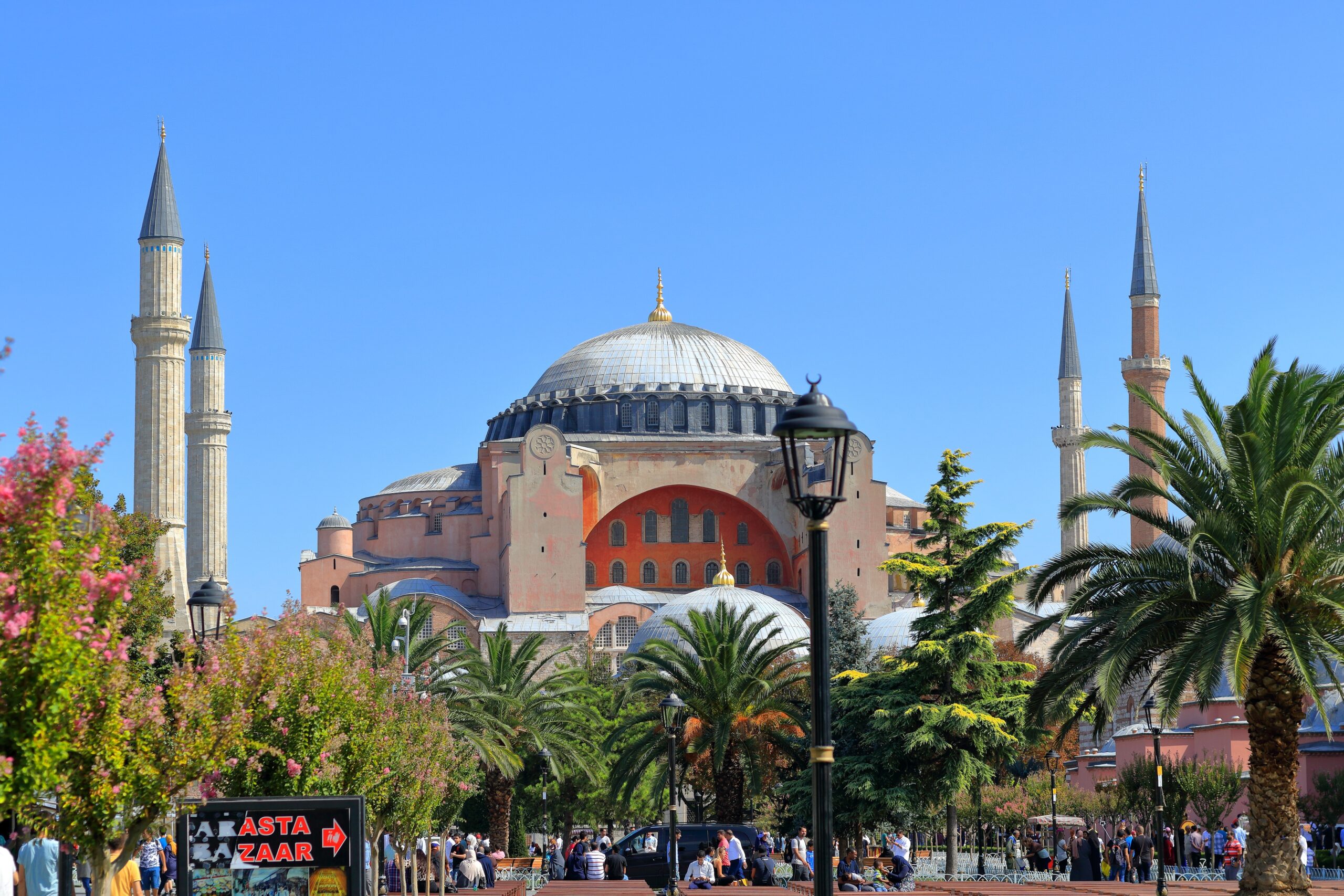
Emperor Constantine had moved the capital of the Roman Empire from Rome to Byzantium around 330BC and renamed it after himself. He undertook major building projects to establish and secure the city that became known as the New Rome. Although the city was important to the Roman Catholic Church, after the Great Schism of 1054, Constantinople became the seat of the Eastern Orthodox Church. In 1930, the Turkish government changed the city’s name to Istanbul and today it is home to nearly 16 million people, making this city more populus than the entire Commonwealth of Pennsylvania.
The battle for control of the city in 1453 began on April 6 of that year and raged for almost two months. Constantinople boasted 12 miles of the strongest and most superior defensive structures of their time known as Theodosian walls which had protected it for 800 years. To prevent ships from attacking, the Byzantines laid heavy chains across the city’s harbor. The Turks, however, bypassed them by dragging their ships overland on greased logs and erected a naval blockade before hammering the city walls with 600-pound cannonballs, a relatively new military innovation. Nevertheless, the city remained secure and withstood the onslaught for 53 days.
During that time, the Muslims tunneled under the city attempting to undermine their enemy. The Byzantines heard them digging, tunneled under them and blew them up. The Muslims built a large siege ramp to broach the wall, but just before it was completed the Byzantines blew it up also. Despite overwhelming numerical superiority of 80,000-300,000 Turkish troops compared to less than 8,000 Byzantines, it appeared the city might stand for many months testing the resolve of the invaders and giving time for help to arrive.
A break for the Turks came, however, when their soldiers discovered a small gate known as the Kerkoporta. Whether accidentally or on purpose, this gate had been left unlocked and undefended allowing Turkish troops to enter the city while the walls were being simultaneously bombarded by cannons. Before May 29 was over, Constantinople had fallen and the last emperor, Constantine XI, was slain.
Aside from the enormous historical consequences of this decisive battle, the seemingly minor mistake of leaving a small gate unguarded is a clear lesson for us today. In our spiritual lives, we may successfully withstand assaults of temptation from our enemy with the help of the Holy Spirit. However, if we leave any entrance to our soul unwatched and undefended, our enemy will surely find and exploit it. It may be a lingering glance at pornography or an occasional foray into drugs or drunkenness. It may be greed or uncontrolled anger. Although we may have all other aspects of our lives carefully guarded, and although we may have detected and defeated his attacks many times before, the devil will search for any weakness and then use it to his advantage.
Let’s invite God to help us inspect all the gates of our lives for any that are insufficiently secured or guarded. If we find any unlocked, let’s seal them before destruction comes. The Bible assures us that Jesus’ power within is greater than he who attacks from without, but if we intentionally or accidentally give Satan an opportunity, he will seize it. As we remember the great world-changing battle that took place 573 years ago today, let it remind us to examine our gates and walls and ask Jesus to defend us. Blessings, George