Last week Afghanistan was rocked by three different earthquakes which toppled buildings, created chaos, and resulted in nearly 1,400 deaths while wounding many others. A little over a month before that, a quake that tied for the sixth strongest on record struck Russia’s Kamchatka Peninsula. Although tsunami fears prompted evacuations, thankfully, no devastating waves made it across the Pacific.
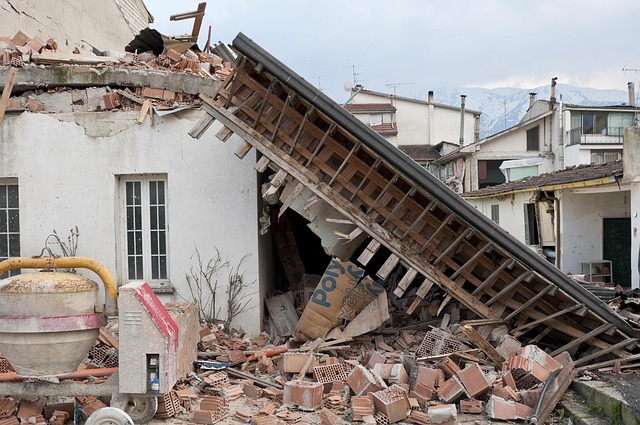
In addition to earthquakes and tsunamis, we are constantly warned about climate change, hurricanes, and famines in various parts of the world. Although we can and should be concerned about such events, we should not be surprised as such occurrences have been documented throughout history.
An article in this fall’s edition of Biblical Archaeological Review reported on evidence of a 55-foot-tall tsunami that slammed into Israel’s Mediterranean coast thousands of years ago. We can only imagine what event might have caused such a massive wave and the destruction it produced. Meanwhile, most are also familiar with the sudden devastation of Pompeii by the eruption of Mt. Vesuvius in 79AD.
Natural disasters, widespread floods, and droughts are nothing new. Another article in BAR’s 2022 Summer issue detailed how lake sediments, pollen, and even stalagmites all gave evidence to a 300-year long megadrought around 1200BC that impacted everyone from modern day Italy in the west all the way to Iran in the east. Thankfully, archaeologists have also discovered records of Egyptian grain ships sent to help those who were starving in Anatolia (modern Turkey) and northern Syria.
The article went on to mention that in addition to natural disasters, things like trade embargos, wars, disinformation campaigns, migrations, rebellions, and pandemics all shaped ancient history just as they shape current events. The article concluded by stating, “No society is invulnerable. Every society in the history of the world ultimately collapsed. The collapse of … civilizations just after 1200 BC should be a warning to us that it can certainly happen again.”
Although we are warned about human-caused climate change, the world’s climates have constantly changed even as they continue to today. Recent research reveals the addition of ice at the earth’s poles which contradicts global warming fears. And while our Valley has had a dry spell of late, earlier rains this spring and summer provided one of the wettest years in recent memory.
We tend to think our times are worse than those that have gone before, but as Solomon observed 3,000 years ago, “There’s nothing new under the sun.” More recently, French writer Jean-Baptiste Alphonse Karr wrote “The more things change, the more they stay the same.”
Severe weather, devastating wars, political turmoil, and even global pandemics should not take Christians by surprise. In Matthew 24, Jesus said, “Such things must happen, but the end is still to come. Nation will rise against nation, and kingdom against kingdom. There will be famines and earthquakes in various places.” That doesn’t mean His followers are to isolate themselves and do nothing, for He also commands us to feed the hungry, clothe the naked, and house the homeless. But we should not despair and become overwhelmed by our news feeds that constantly serve up alarming reports. Conversely, Paul tells us in Philippians 4 to think on things that are true, noble, right, pure, lovely, admirable, excellent and praiseworthy.
In addition, natural disasters, famines, and military conflicts give believers opportunities to both pray for and act on behalf of our neighbors. Through ministries like Samaritan’s Purse, we can help relieve the suffering of those enduring earthquakes, hunger, disease and war. We can also shine Jesus’ light of hope in the darkness of this world’s evil and pain.
Even if society collapses, we can ultimately share Jesus’ salvation that not only comforts our earthly suffering but ensures an eternity free of all tragedies and disasters. The next time breaking news tempts you to throw up your hands in despair, ask God to show you how to respond positively. Blessings, George