It’s hard to believe we’re already flipping pages on our calendars this Sunday ushering in the second month of the New Year that is already starting to show its age. With February comes Black History Month which highlights the contributions of African Americans to our nation.
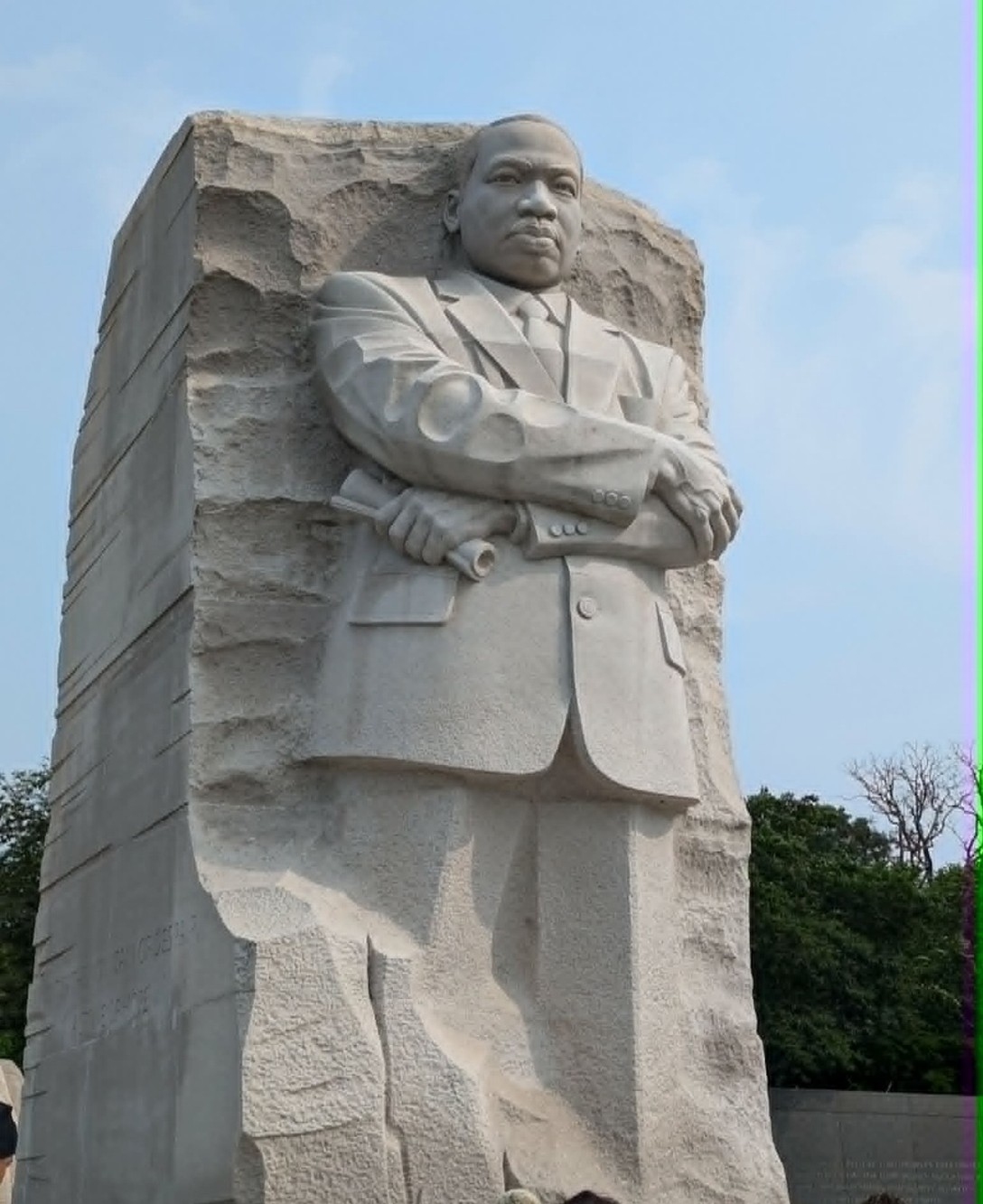
Heading this list is Dr. Martin Luther King, Jr. While many know generalities about him, far fewer know many specifics. In fact, his original name was not even Martin, but Michael, Jr. named after his father who pastored Atlanta’s Ebenezer Baptist Church.
When Michael, Sr. toured Europe, he was inspired by the work of the courageous leader of the Protestant Reformation, Martin Luther, and changed both his and his son’s names to honor him. The younger King, only 5 at the time, did not legally change his name, however, until he was 28, perhaps foreshadowing the civil rights reformation he himself would lead in this country.
King entered Morehouse College at age 15. While this is rare today, he did so under a wartime program that admitted gifted high schoolers to boost enrollment while many college-age men were in the Army. King studied medicine and law and did not intend to become a pastor. His mentor, however, Benjamin Mays, was not only the college president, but also a Baptist minister. Mays was also active in the civil rights movement, and his influence highlights the importance of seasoned leaders taking the time to guide younger ones who may rise up to accomplish the visions of their mentors.
King combined his education with his oratorical gift to become one of the most powerful communicators of the 20th century. After having been nominated multiple times, he eventually won a Grammy for Best Spoken Word Album for a sermon entitled, “Why I Oppose the War In Vietnam.” King wisely knew that every piece of political legislation and governmental action have moral foundations which not only invite, but require responsible clergy to speak out on the politics of their day even as our nation’s founders did 250 years ago.
While most know that King was tragically assassinated in 1968, most do not know that he survived another attempt ten years earlier. In September of 1958, while signing books in Harlem, a mentally ill woman plunged a seven-inch letter opener into his chest. Ironically, King retold that story the evening before he was shot and said that if he would have so much as sneezed during the attack, he would have died. God spared him the first time so that he could get the train of equality moving.
King is best known for his famous “I Have A Dream” speech that he gave on the steps of the Lincoln Memorial in 1963 to over a quarter of a million people. With a powerful cadenced delivery, he echoed out his dreams of equal treatment and racial unity. His speech contained several Biblical references including those from Isaiah 40 and Amos 5. Rather than violent demonstration, he employed and advocated for non-violent resistance which comes straight from Jesus’ Sermon on the Mount. At a time when America’s streets were rife with riots and viciousness, he was a calming force who relentlessly insisted on reform.
Like every other person, King had his faults, but his work to move the civil rights football toward the goal line did much for all Americans and we are better for it. In 2011, a memorial in his honor was dedicated in Washington DC but the statue is still unfinished symbolizing the truth that the work of civil rights is likewise unfinished. In spite of great strides forward, persistent prejudice on many sides continues to strain our nation, the only lasting solution to which is the transforming love of Jesus Christ lived out by His followers, which King himself preached.
As we flip our calendars, let us thank God for all of America’s great leaders and work to make King’s Biblical dreams a reality. Blessings, George